
Solar and EV Charging: When Storage Becomes Useful
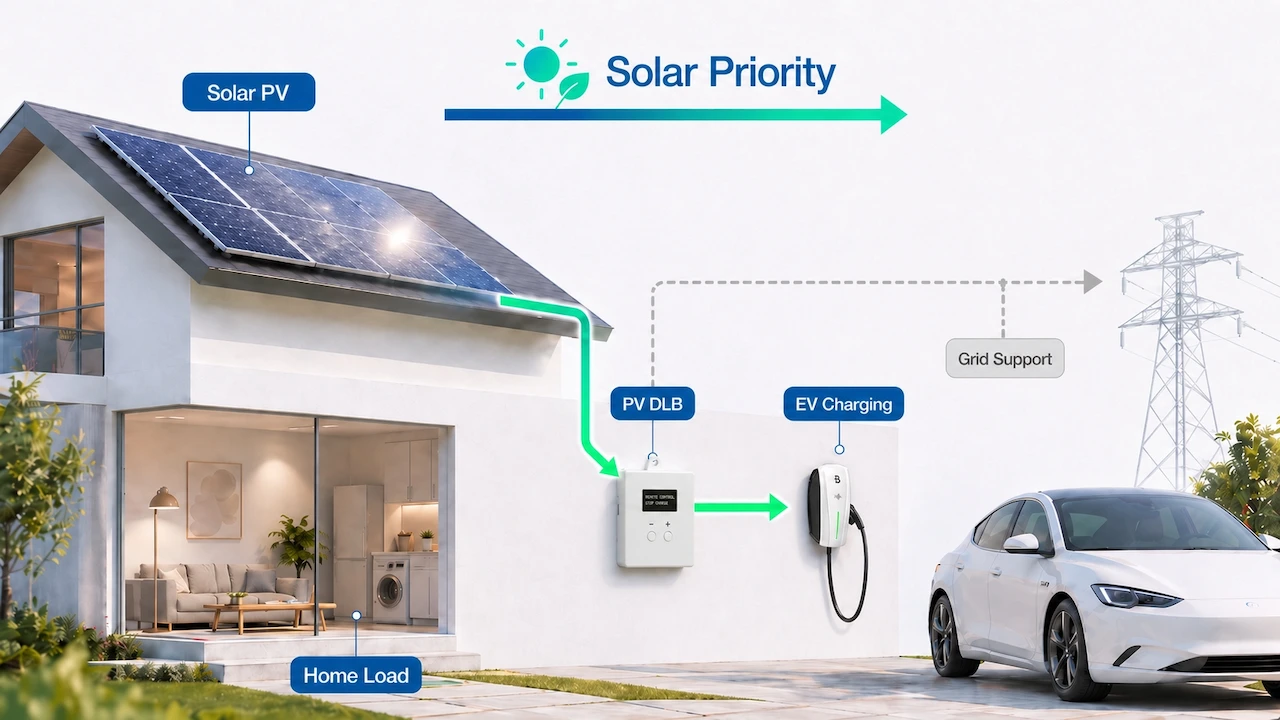 Solar and EV charging look like a natural match, but timing is the challenge. The charging equipment may be visible to drivers, but the power system behind it often decides whether the site can scale. High charging demand can create grid upgrade pressure, demand peaks, and operating cost uncertainty.
In practical projects, vehicles may not charge exactly when solar output is highest, so storage can improve self-consumption. The goal is not simply to add another piece of equipment. The goal is to make charging demand easier to manage while improving the use of available energy. This is especially relevant for commercial sites, fleets, and locations where grid capacity is limited or expensive to expand.
EVB’s solar EV charging perspective is useful when project teams need to reduce grid pressure and design charging around real site power limits.
Buyers should evaluate load profile, charging schedule, battery capacity, inverter power, EMS control, safety requirements, and long-term maintenance. A poorly sized storage system can add cost without solving the actual constraint, while a well-planned system can support peak shaving, backup support, and smoother operation.
Energy storage and EV charging should be planned as one power strategy. The strongest projects start with data: site load, expected charging sessions, grid limits, tariff structure, and future growth. Once those are clear, storage can become a practical tool for reducing pressure on the grid and improving the business case for charging infrastructure.
Solar and EV charging look like a natural match, but timing is the challenge. The charging equipment may be visible to drivers, but the power system behind it often decides whether the site can scale. High charging demand can create grid upgrade pressure, demand peaks, and operating cost uncertainty.
In practical projects, vehicles may not charge exactly when solar output is highest, so storage can improve self-consumption. The goal is not simply to add another piece of equipment. The goal is to make charging demand easier to manage while improving the use of available energy. This is especially relevant for commercial sites, fleets, and locations where grid capacity is limited or expensive to expand.
EVB’s solar EV charging perspective is useful when project teams need to reduce grid pressure and design charging around real site power limits.
Buyers should evaluate load profile, charging schedule, battery capacity, inverter power, EMS control, safety requirements, and long-term maintenance. A poorly sized storage system can add cost without solving the actual constraint, while a well-planned system can support peak shaving, backup support, and smoother operation.
Energy storage and EV charging should be planned as one power strategy. The strongest projects start with data: site load, expected charging sessions, grid limits, tariff structure, and future growth. Once those are clear, storage can become a practical tool for reducing pressure on the grid and improving the business case for charging infrastructure.
Have a project on the horizon?
Tell us what you're cooking. Fixed-price quote in 4 hours, first frames in 9 days. Senior animators, no juniors in the chain.